
China x Taiwan military clash before 2027?
Market Description
This market will resolve to "Yes" if there is a military encounter between the military forces of China (People's Republic of China) and Taiwan (Republic of China) between November 11, 2025, and December 31, 2026, 11:59 PM ET. Otherwise, this market will resolve to "No". A "military encounter" is defined as any incident involving the use of force such as missile strikes, artillery fire, exchange of gunfire, or other forms of direct military engagement between Chinese and Taiwanese military forces. Non-violent actions, such as warning shots, artillery fire into uninhabited areas, or missile launches that land in territorial waters or pass through airspace, will not qualify for a "Yes" resolution. Intentional ship ramming that results in significant damage to (e.g., a hole in the hull) or the sinking of a military ship by another will count toward a "Yes" resolution, however minor damage (scrapes, dents) will not. Note: the China Coast Guard (CCG) is part of the military, however Taiwan's Coast Guard Administration (CGA) is not. The resolution source for this market will be a consensus of credible reporting.
Related News

Apple, Nvidia, and AMD CEOs were briefed by CIA in 2023 on potential China-Taiwan conflict. Market predictions show concern with 10% chance of invasion and 14% chance of military clash.
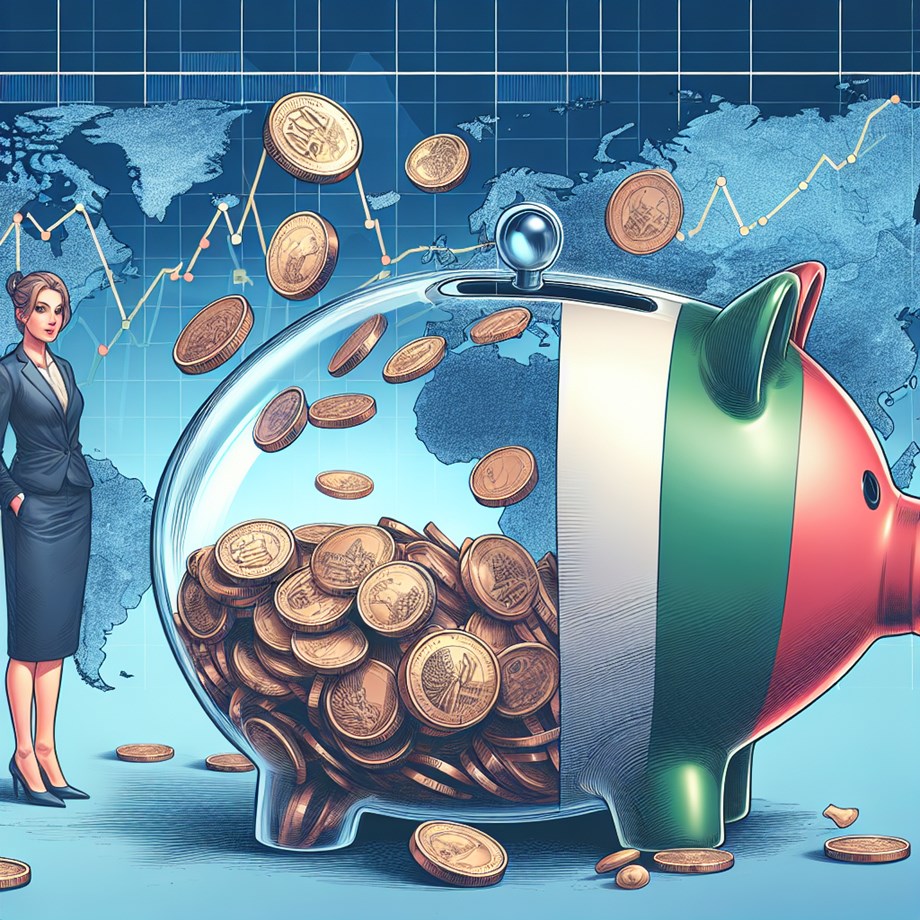
President Lai Ching-te warns that Taiwan's opposition parliament blocking $40 billion in defense spending could affect international perception. US politicians express disappointment, while Taiwan's Kuomintang focuses on scrutinizing government plans. Amid heightened military activities from China, Taiwan's defense strategy remains under intense global scrutiny.
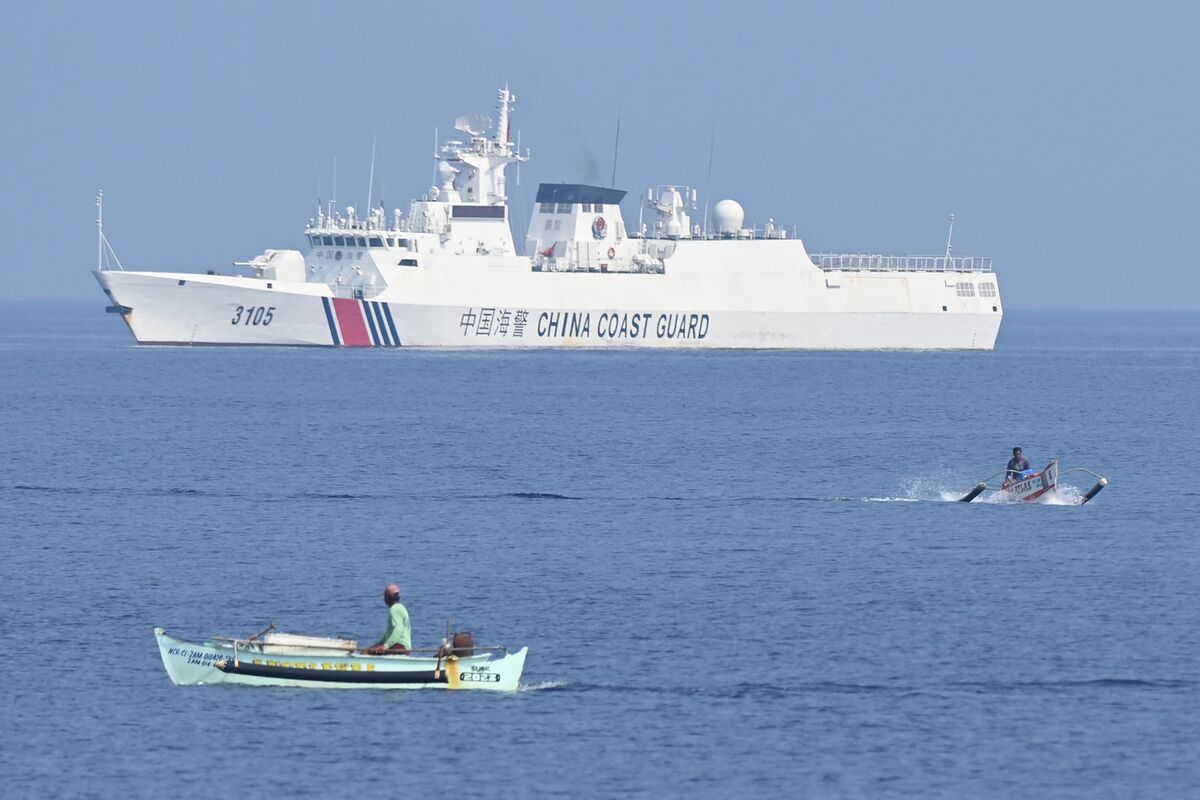
Last year was a coming-out party for Chinese military power, from the lethal performance of Chinese-made weapons during the India-Pakistan clash in May, to the high-profile rollout of new nuclear and conventional capabilities at President Xi Jinping’s Victory Day parade in September, to year-end exercises simulating a blockade or quarantine of Taiwan with new levels of granularity, speed and assertiveness.

DESPITE the risks of war coming from the United States’ current military actions in the Caribbean, some geopolitical analysts seem to believe Russia and China’s presence in Venezuela will serve as a countervailing force and restrain any US impulse to rush into war. It would spare the world a repeat of the Cuban missile crisis of 1962 and allow multilateral forces to create a new geopolitical balance, away from the US-led unipolar world into the new multipolar world led by Brics (Brazil, Russia, India, China and South Africa). It would still be a messy world but hopefully without a new war. This leaves the Chinese-US conflict over Taiwan the more pressing problem in international affairs.
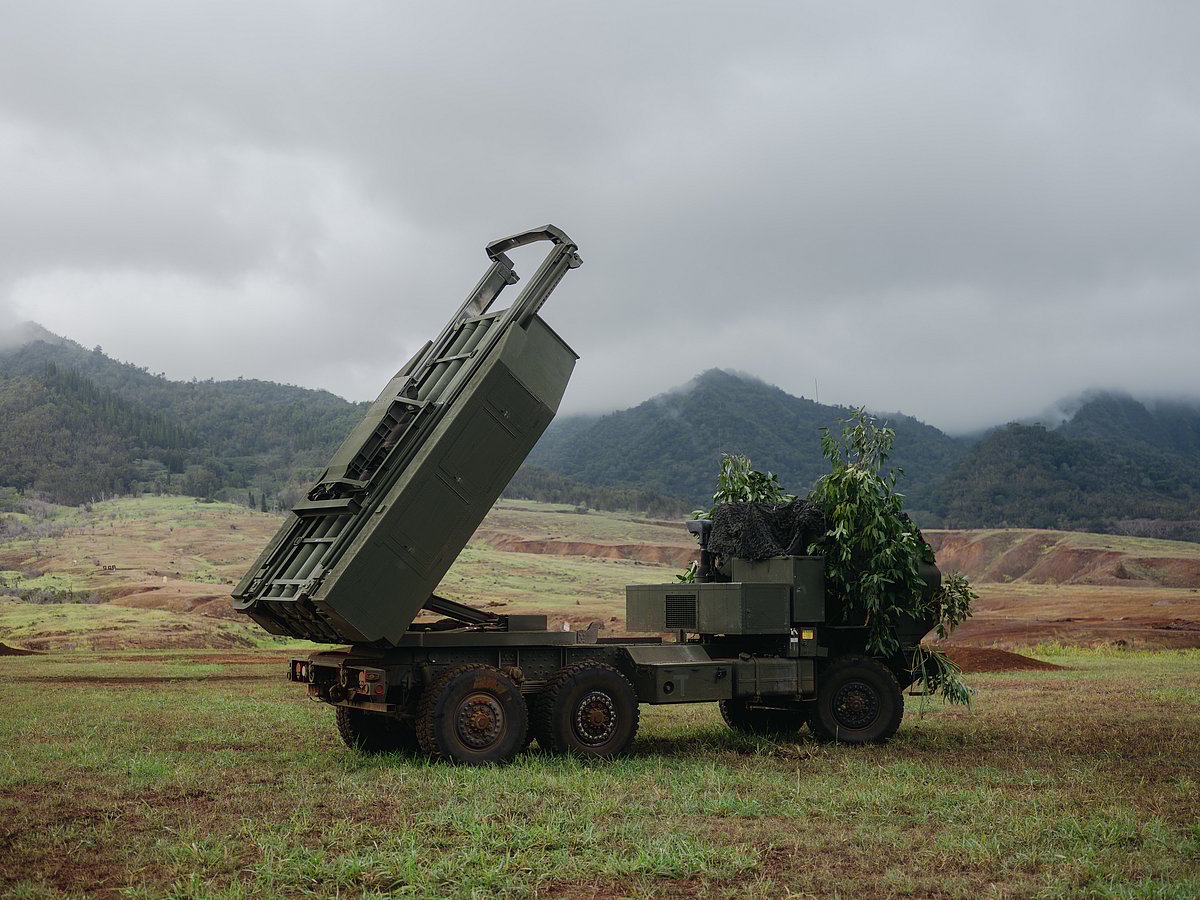
China reiterated that US weapons sales to Taiwan raise the chances of a clash between the superpowers — underscoring its displeasure after Washington approved a deal worth up to $11 billion. The military assistance served to “put the people in Taiwan on a powder keg, push the Taiwan Strait toward danger and inevitably increase the risk of China-US conflict and confrontation,” Foreign Ministry spokesman Guo Jiakun said at a regular press briefing in Beijing on Friday.
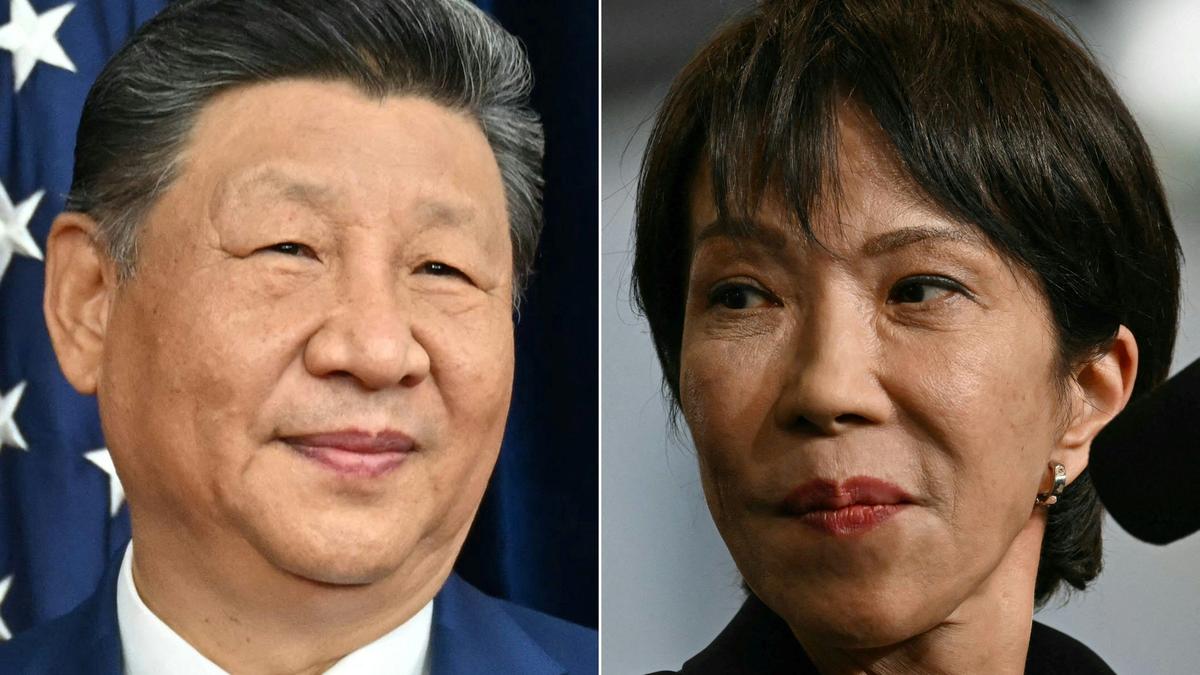
Relations between Japan and China have soured after Japan's Prime Minister Sanae Takaichi said that a Chinese assault on Taiwan could be deemed a “survival-threatening situation. The dispute has become the region’s biggest crisis in recent years, characterised by Chinese military sorties, economic coercion against seafood imports, and a blanket freeze on cultural exchange.

Japan's Prime Minister Sanae Takaichi stirred controversy by suggesting a military response to China's potential aggression toward Taiwan. The comment led to heightened tensions with China, economic pressure, and disrupted diplomacy. US President Donald Trump offered Takaichi reassurance, emphasizing the strength of the Japan-US alliance amid the geopolitical turbulence.
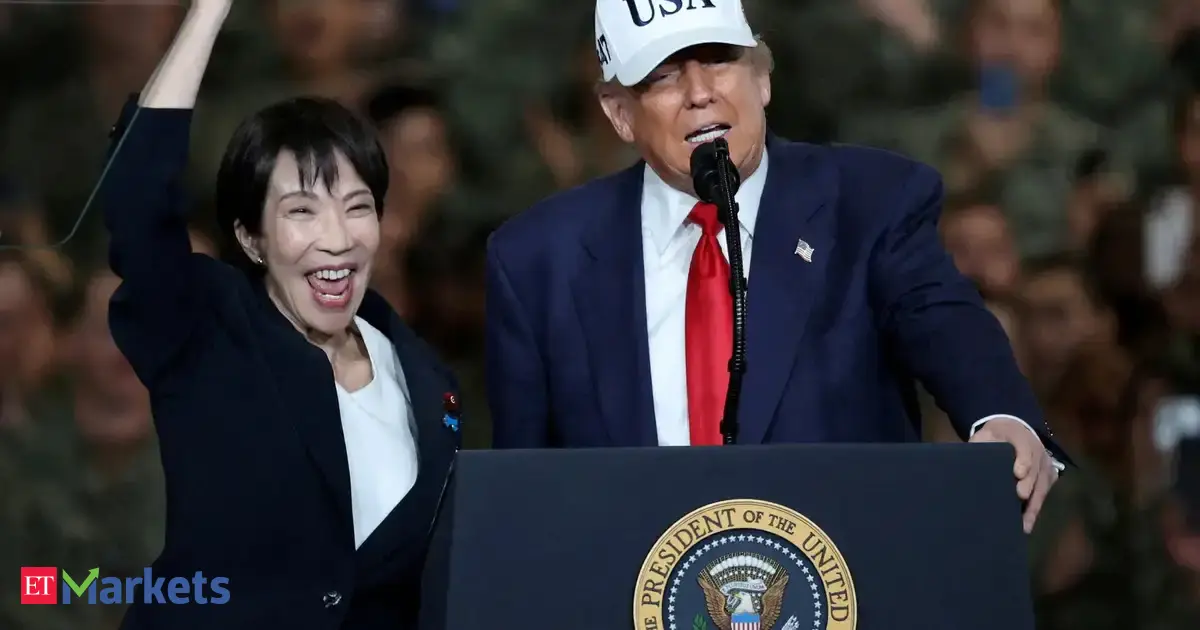
Japanese Prime Minister Sanae Takaichi received a supportive call from former U.S. President Donald Trump amid a diplomatic spat with China over Taiwan. Takaichi's remarks on potential Japanese military action if China attacked Taiwan angered Beijing, leading to a travel boycott. Analysts express concern over Trump's silence on the dispute, while Tokyo seeks to de-escalate tensions.

Japanese Prime Minister Sanae Takaichi's comments about possible military intervention in Taiwan have ignited diplomatic tensions with China. Chinese Foreign Minister Wang Yi denounced the remarks as a breach of diplomatic norms and warned against the reemergence of Japanese militarism, prompting Beijing's stern response.
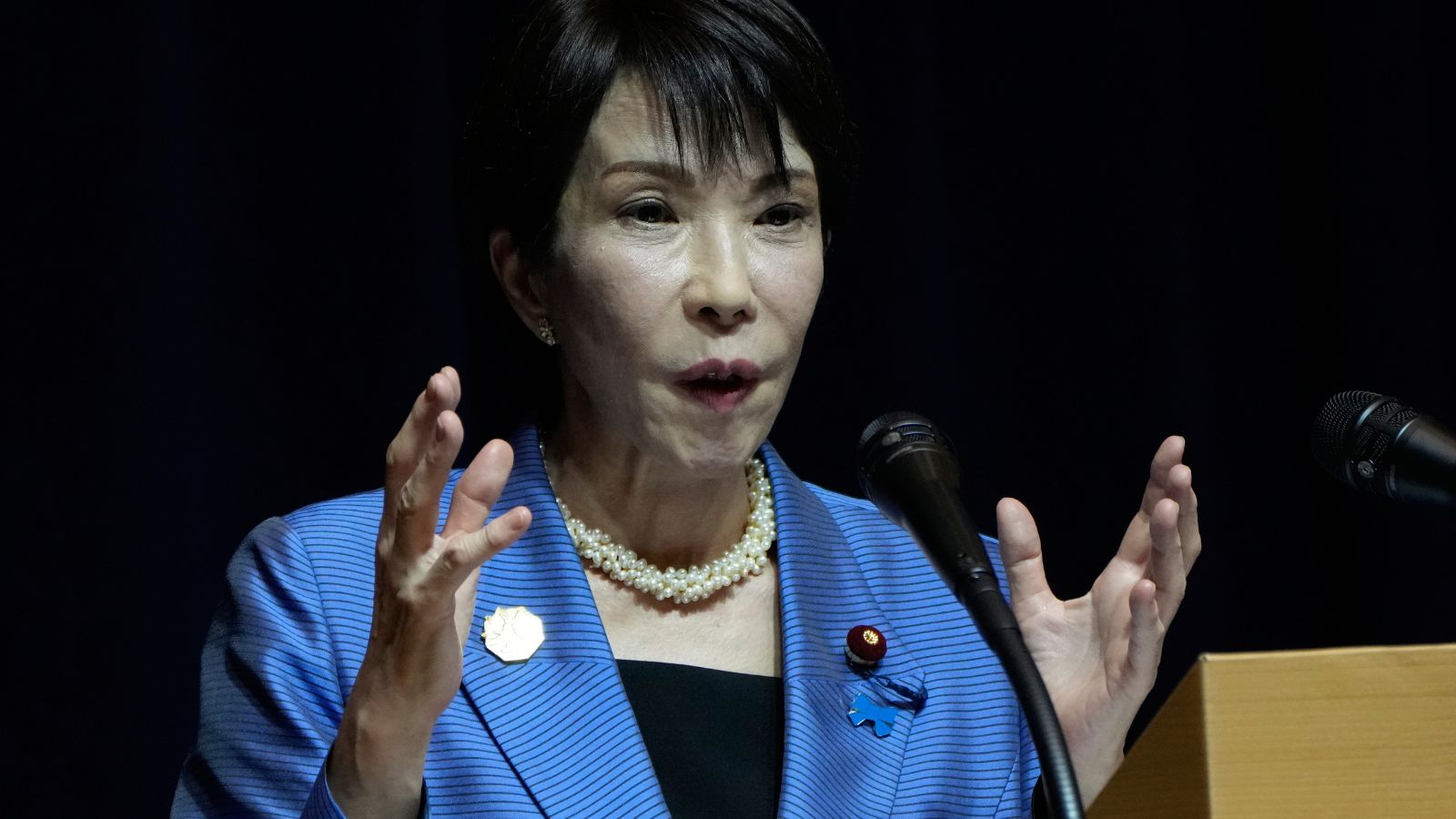
Japanese Prime Minister Sanae Takaichi sparked the most serious diplomatic clash between the two East Asian powers in years when she told Japanese lawmakers this month that a Chinese attack on Taiwan threatening Japan's survival could trigger a military response.