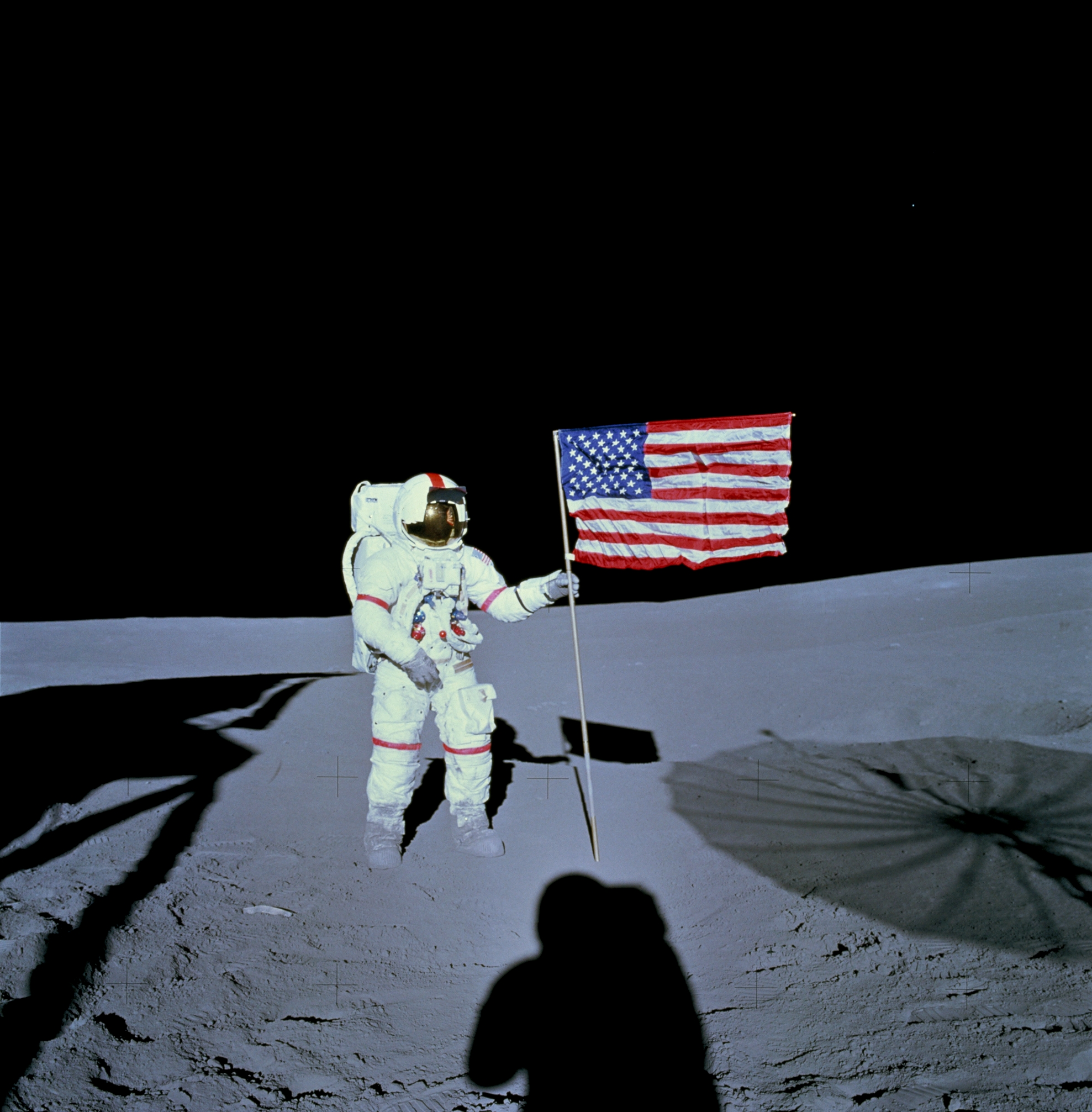
Human moon landing in 2026?
Market Description
This market will resolve to "Yes" if any human-crewed mission lands on the moon between market creation and December 31, 2026, 11:59 PM ET. Otherwise, this market will resolve to "No". A touchdown of the spacecraft with humans aboard will be sufficient to resolve this market to "Yes", regardless of technical complications. The resolution source will be a consensus of credible reporting.
Related News

A NASA watchdog has issued a damning report on the Human Landing System program, finding serious problems with its progress, oversight, and testing.

Rimae Bode—a volcanic region on the Moon’s nearside—offers strategic advantages for a human landing as well as rich opportunities for scientific research, according to a new study.
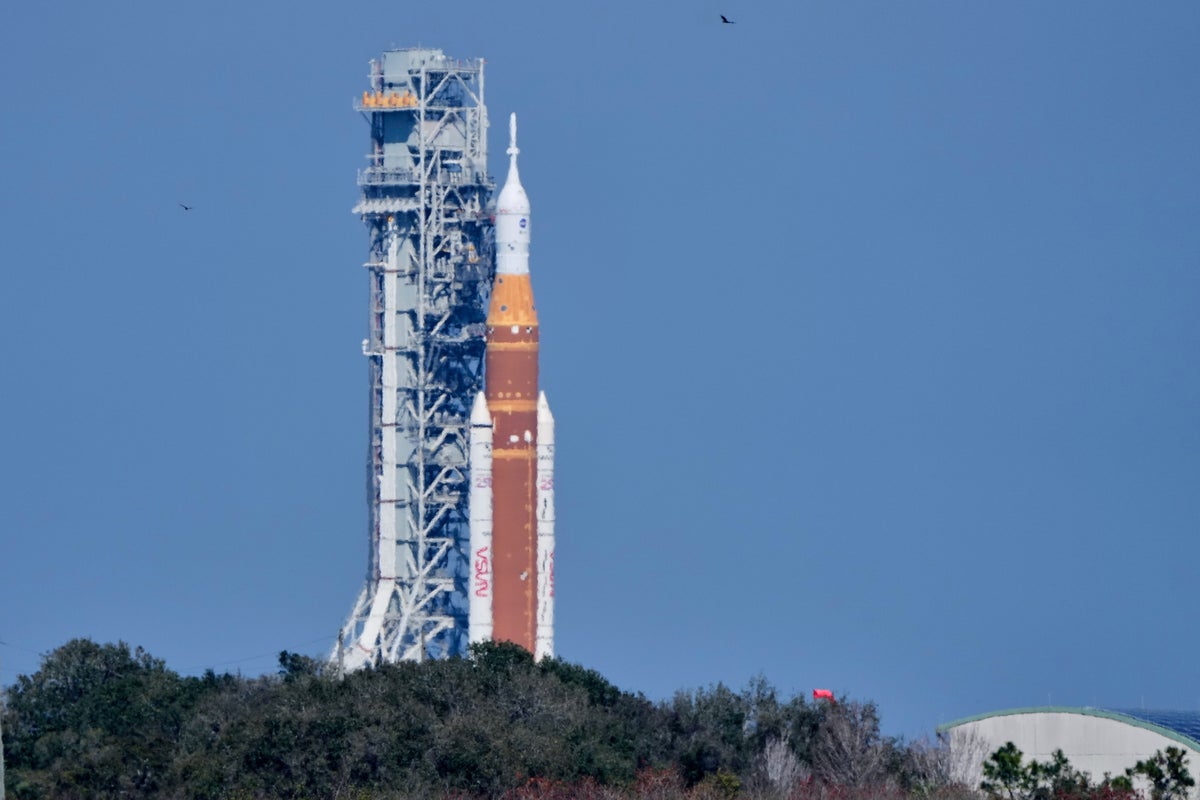
The next mission will no longer be the first human landing on the moon since Apollo 17 in 1972
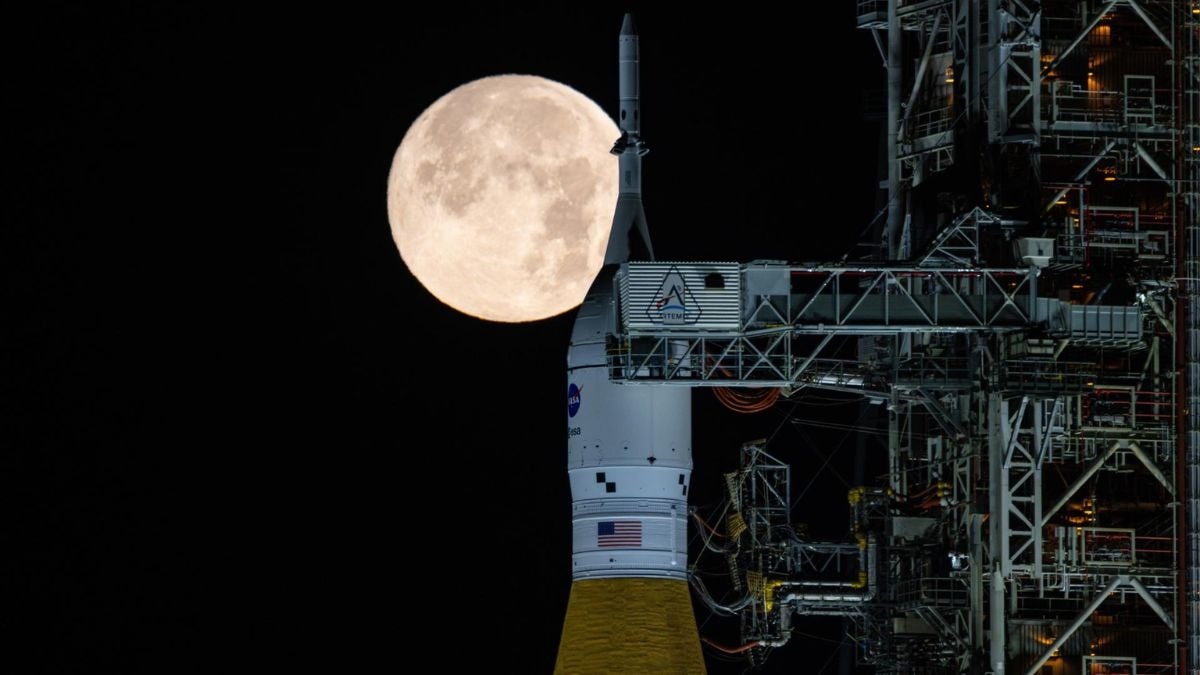
Nasa has announced that Artemis III will now be an orbital test mission instead of a lunar landing. The first human return to the Moon's surface has been delayed.
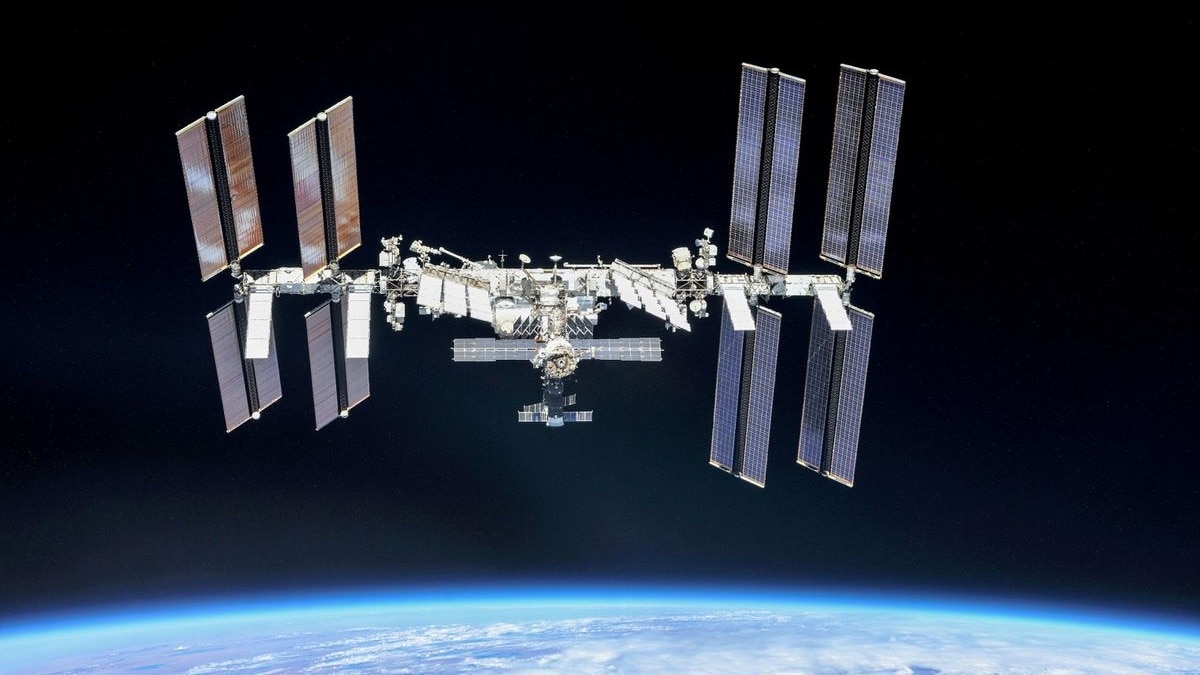
Key studies, spearheaded by Nasa’s Human Research Program, aim to safeguard crews for future deep-space voyages like Artemis lunar landings and Mars missions.
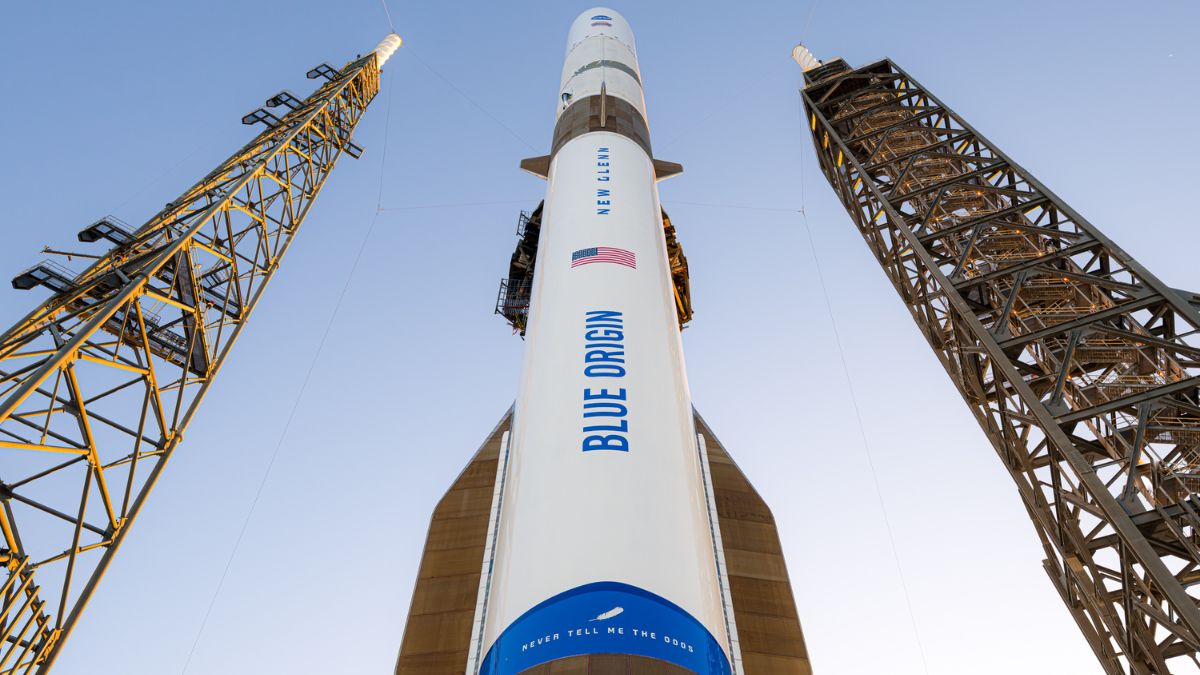
Blue Origin has paused New Shepard space tourism flights for at least two years to focus on developing human lunar landing capabilities for NASA's Artemis Moon mission.

NASA targets March for the Artemis 2 mission involving a 10-day lunar orbit by four astronauts, postponed due to a hydrogen leak. The mission, following the 2022 uncrewed flight, marks a significant leap in human space exploration, preceding the first manned moon landing in decades.

That landing technique would later help Blue Origin develop New Glenn, its heavy-lift orbital-class rocket that rivals launchers from Elon Musk's SpaceX and lands in a similar vertical fashion after boosting a payload to orbit. "We will redirect our people and resources toward further acceleration of our human lunar capabilities inclusive of New Glenn," Limp said in the email.
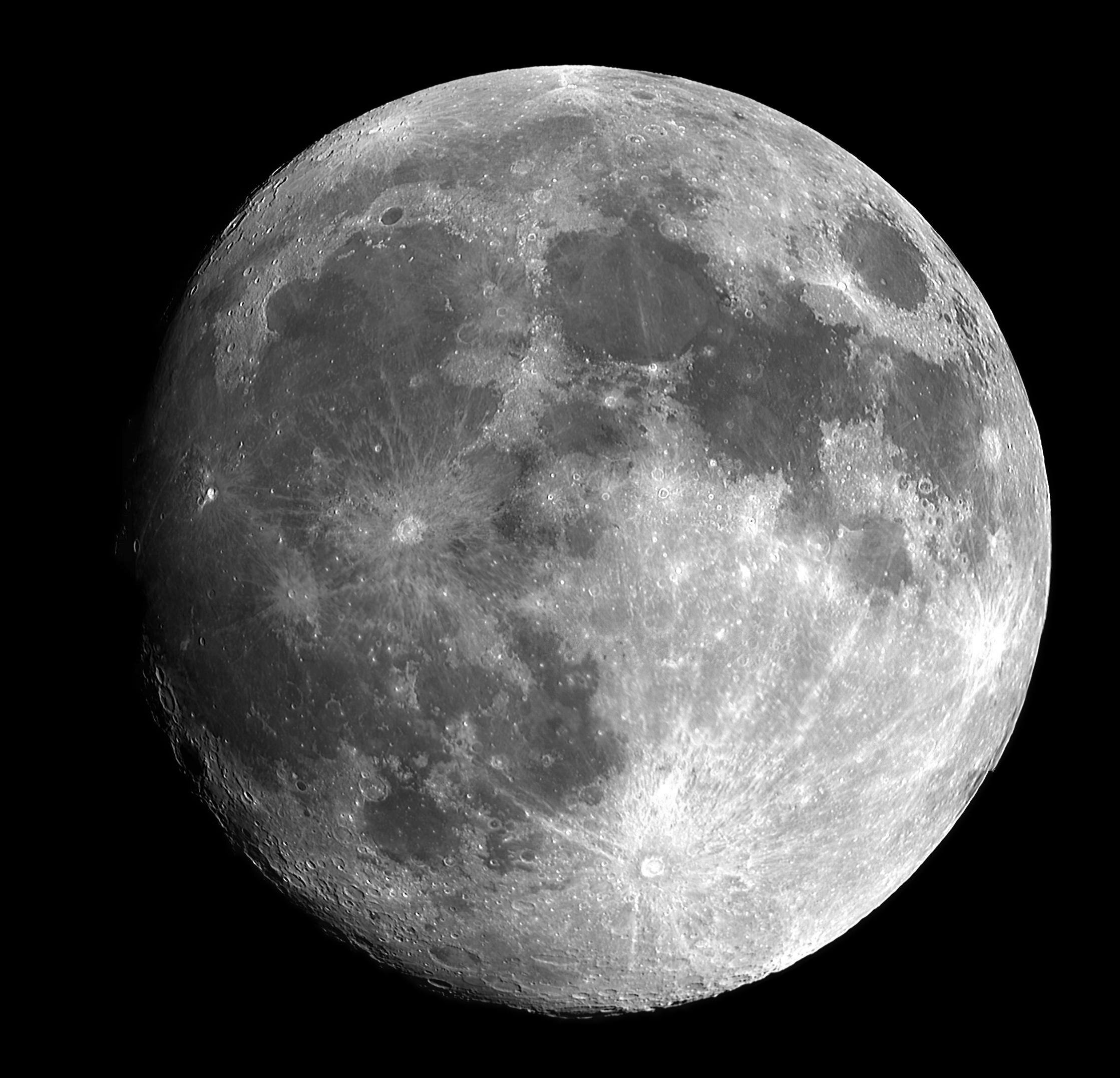
When Apollo 13 looped around the moon in April 1970, more than 40 million people around the world watched the United States recover from a potential catastrophe. An oxygen tank explosion turned a planned landing into an urgent exercise in problem-solving, and the three astronauts on board used the moon's gravity to sling themselves safely home. It was a moment of extraordinary human drama, and a revealing geopolitical one.
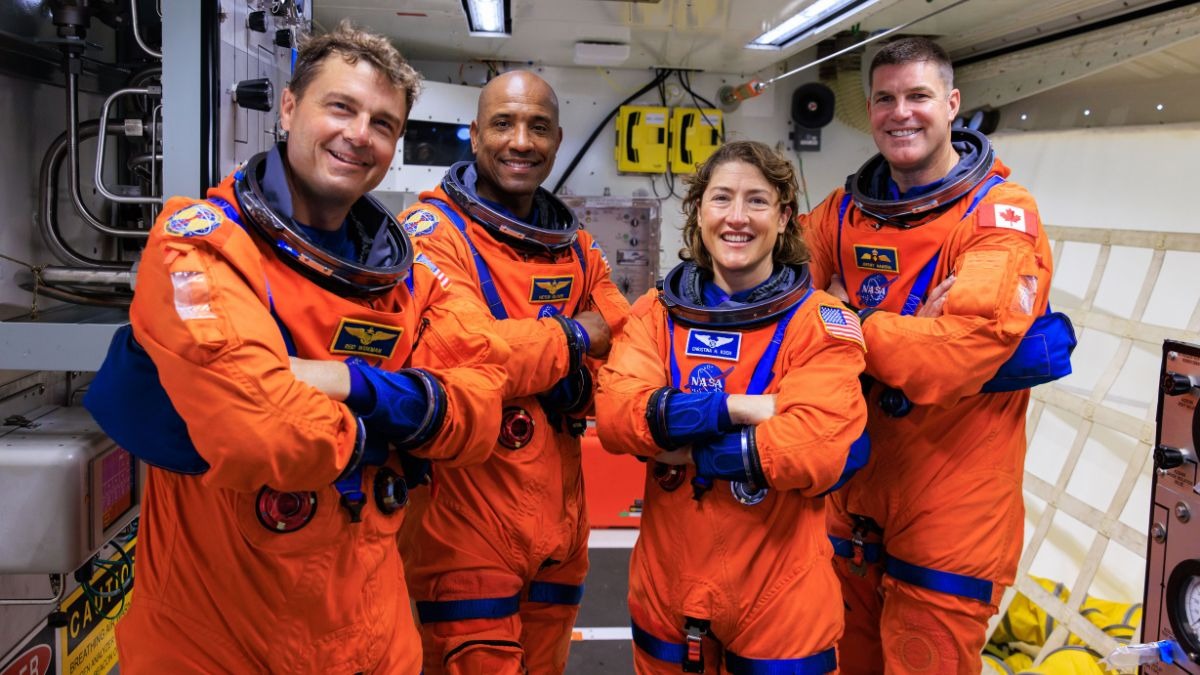
The Artemis-II mission will take four astronauts further into deep space than any human in history without actually touching the lunar surface. This high-stakes test flight uses a gravity-powered slingshot to prove humanity is ready to return to the Moon for good.